

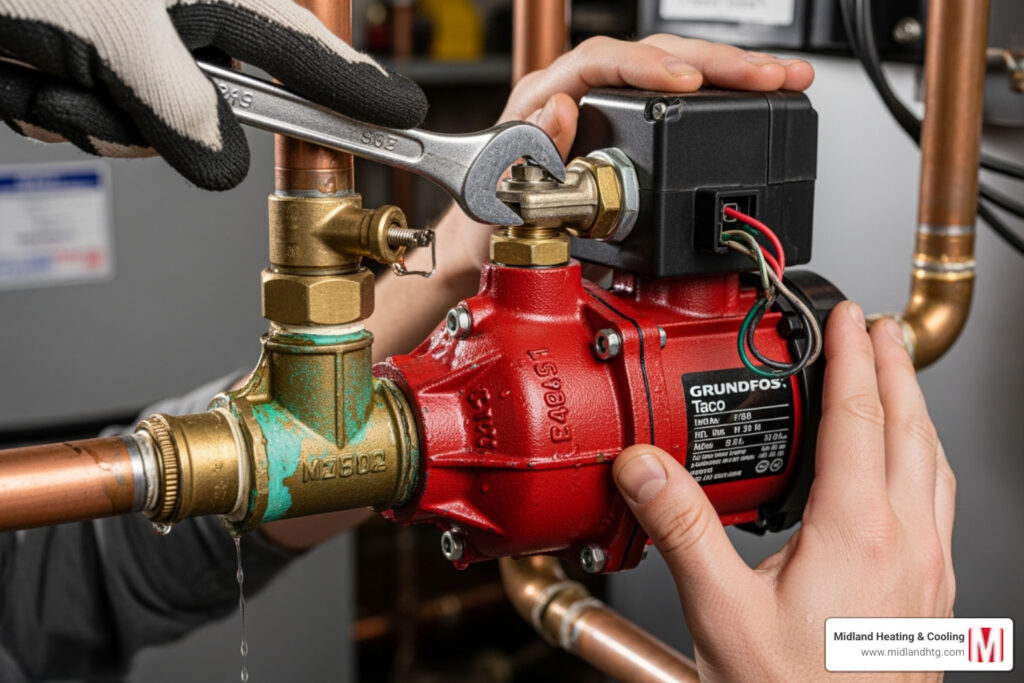
Why Boiler Pump Replacement Is Critical for Your Home’s Heating
Boiler pump replacement is a common heating repair for Twin Cities homeowners. When a circulator pump fails, it can no longer move hot water to your radiators, leaving you with cold rooms and risking boiler damage.
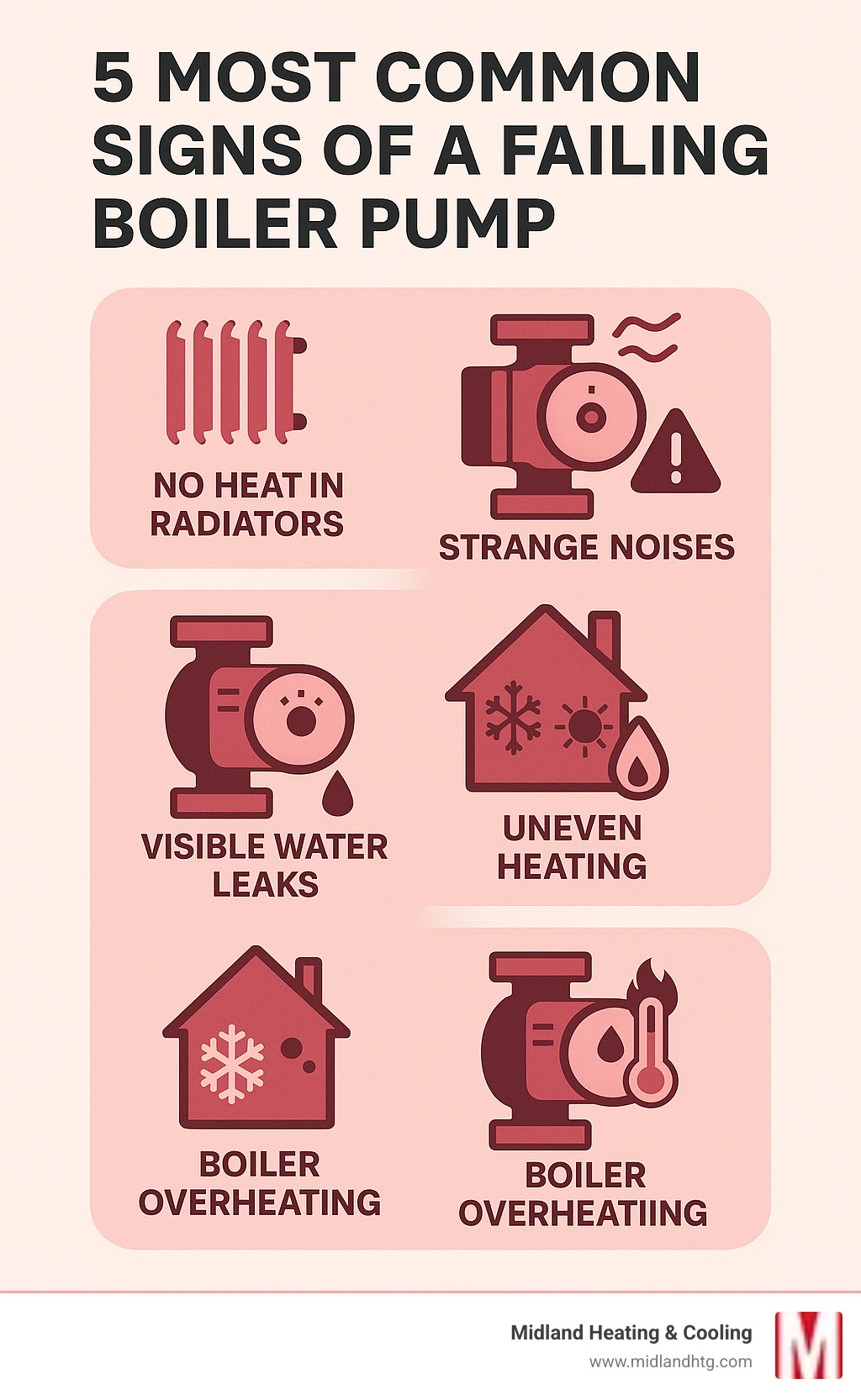
Quick Answer: Key Signs You Need Boiler Pump Replacement
- No heat or lukewarm radiators
- Strange noises like grinding or banging from the boiler
- Visible leaks around the pump
- Uneven heating between rooms
- Boiler overheating or shutting down
Your boiler’s circulator pump is the heart of your heating system, pushing hot water through pipes to every radiator. Without it, even a new boiler is useless. The good news is that a professional replacement typically takes only 2-3 hours, and modern pumps can last 10-20 years. Recognizing the warning signs early is key to avoiding a no-heat emergency.
Common causes of pump failure include:
- Worn bearings from age
- Corrosion from poor water quality
- Electrical motor failure
- Trapped air causing the pump to seize
Understanding Your Boiler’s Circulator Pump
Your boiler’s circulator pump is a small but essential component that keeps your home warm. It functions as the heart of your heating system, and without it, even the most powerful boiler is ineffective.
The Heart of Your Heating System
The circulator pump uses an impeller motor to push hot water from the boiler through pipes to all your radiators and baseboard heaters. This continuous water circulation is what allows hydronic systems to provide even heat distribution and prevent cold spots.
A properly working pump also improves energy efficiency. By moving water smoothly, it allows your boiler to maintain temperatures without working excessively hard, leading to faster warm-up times and lower energy bills. If you’re experiencing issues, it’s helpful to understand common boiler repair issues.
Hydronic systems are reliable and provide clean, quiet heat. To learn more about your specific system, see our guide on understanding different types of boilers.
Types of Boiler Circulator Pumps
Choosing the right pump is crucial for comfort and efficiency.
- Standard single-speed pumps run at one constant speed. They are reliable but less energy-efficient.
- Multi-speed pumps offer adjustable flow rates, allowing you to save energy during milder weather.
- Smart pumps with ECM technology are the most energy-efficient. These intelligent pumps use an electronically commutated motor (ECM) to automatically adjust their speed based on heating demand, significantly reducing electricity use and operating more quietly.
Most residential pumps are made from durable cast iron for closed heating systems. Bronze pumps are used for systems that also handle domestic hot water. The required system pressure and size, typically ranging from 1/25 to 1/6 horsepower, depend on your home’s specific needs. Selecting the correct pump during a boiler pump replacement is vital for optimal performance.
Is Your Boiler Pump Failing? Key Warning Signs
Catching the warning signs of a failing boiler pump early can save you from a no-heat emergency. When your system acts up, it’s often sending a distress signal.
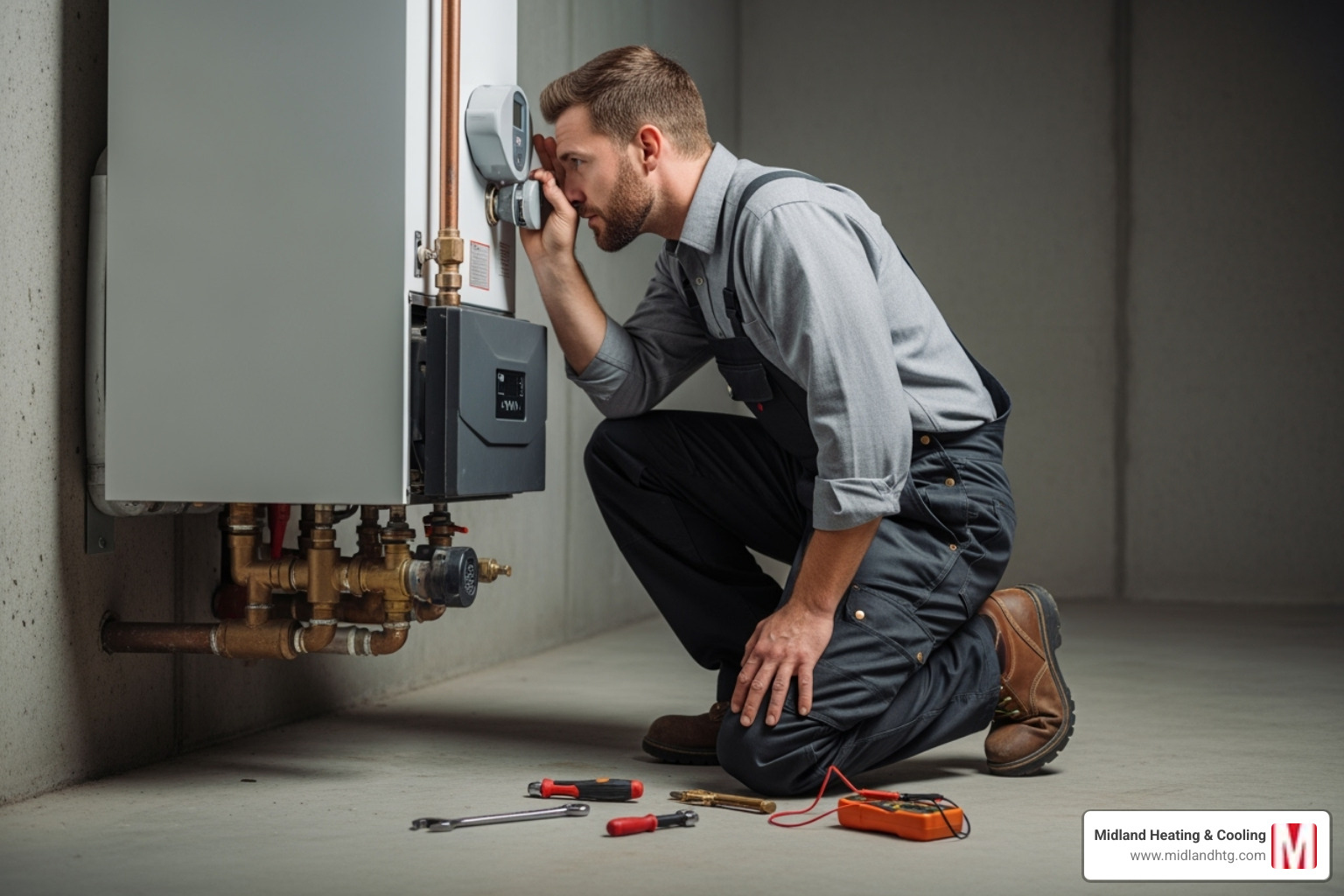
Strange Noises from the Boiler
A healthy boiler operates quietly. If you hear strange sounds, the circulator pump is a likely culprit.
- Grinding sounds usually mean the pump’s internal bearings are worn out and will eventually cause the pump to seize.
- Banging or knocking can indicate trapped air, a worn impeller, or debris inside the pump. If the sound is localized to the pump, a boiler pump replacement may be needed. Learn more about a boiler making knocking sounds to help diagnose the problem.
- Excessive whining or humming suggests the motor is overworked due to resistance or an electrical fault. It can also be caused by trapped air (cavitation).
Leaks and Drips
Water pooling around your boiler requires immediate attention. Leaks from the circulator pump are a clear sign of a problem.
- Visible water or corrosion on the pump body indicates that the pump’s seals have been failing for some time.
- Worn seals and loose connections are common causes of leaks. Over time, seals degrade and connections can loosen.
- Leaks cause pressure drops in the system. If you frequently need to add water to your boiler, a leaking pump is a likely cause. Understanding boiler problems that require attention can help you prioritize repairs.
Power and Operation Issues
Sometimes the issue is not noise or leaks, but a complete failure to operate correctly.
- Pump won’t turn on: If the boiler fires up but radiators stay cold, the pump may have a seized motor or a total electrical failure.
- Pump running constantly: A pump that never shuts off points to a faulty control or an issue with the boiler’s logic board, wasting energy and causing premature wear.
- Tripping circuit breakers: A pump drawing too much electricity due to a short circuit or mechanical failure will trip the breaker as a safety measure, signaling a serious problem.
The Ultimate Guide to Boiler Pump Replacement
When a boiler pump fails, replacement is often more sensible than repairing an old unit. Understanding the process helps you make an informed decision.
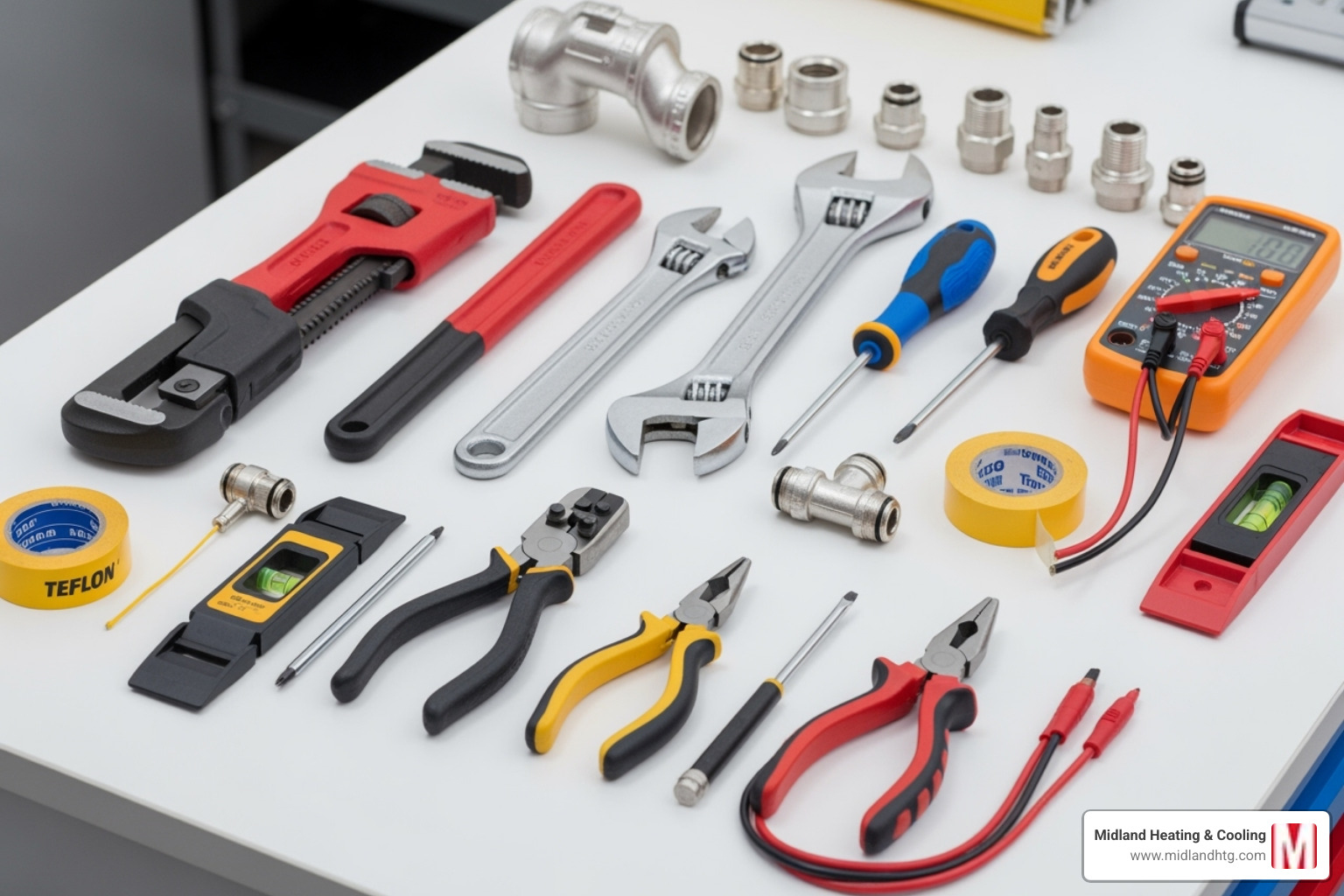
DIY vs. Professional Boiler Pump Replacement
While a DIY replacement is possible for those with strong plumbing and electrical skills, we strongly recommend a professional for most situations.
Gas boilers require certified technicians for safety. Working with gas lines is not a DIY project. You should also call a professional if you’re not confident in your skills, have a complex system, or want the peace of mind that comes with a guaranteed installation. Our heating services team can prevent costly mistakes from DIY attempts.
Step-by-Step Replacement Process
A professional boiler pump replacement follows these general steps:
- Safety First: The technician will turn off power to the boiler at the breaker and shut off the gas supply if applicable.
- Isolate Pump: The isolation valves on either side of the pump are closed. If none exist, the system may need to be drained.
- Disconnect: Electrical wiring is disconnected, and the flanges connecting the old pump to the pipes are unbolted.
- Install New Pump: The new pump is installed with fresh gaskets, ensuring the flow direction arrow on the pump matches the system’s water flow. The unit is bolted securely.
- Reconnect & Test: Wiring is reconnected, isolation valves are opened, and the system is refilled and bled of any air. The technician then tests the system to ensure proper operation.
Repairing vs. Replacing Your Pump
Sometimes, a repair is a viable option. Minor issues like an airlock or a loose wire can often be fixed without a full replacement, especially on a newer pump.
However, for major failures like a seized motor, significant corrosion, or if the pump is over 15 years old, replacement is the most cost-effective solution. A new, energy-efficient pump not only solves the immediate issue but also offers long-term reliability and energy savings. Our technicians can help you weigh the costs and benefits. For more guidance, see our article on whether an old boiler is worth repairing or replacing.
Why Boiler Pump Replacement Is Critical for Your Home’s Heating
Boiler pump replacement is a common heating repair Twin Cities homeowners face during harsh Minnesota winters. A failed circulator pump stops moving hot water, leaving you with cold rooms and risking boiler damage.
Quick Answer: Key Signs You Need Boiler Pump Replacement
- No heat or lukewarm radiators throughout your home
- Strange noises like grinding, banging, or continuous humming from the boiler
- Visible leaks or water around the pump area
- Uneven heating with some rooms hot and others cold
- Boiler overheating or frequent system shutdowns
Your boiler’s circulator pump acts as the heart of your heating system, pushing hot water through pipes to each radiator. Without it, even a new boiler is useless. A professional replacement usually takes just 2-3 hours, and modern pumps can last 10-20 years. The key is to recognize warning signs early, before you’re left in the cold.
Common causes of pump failure include:
- Worn bearings from years of continuous operation
- Corrosion from poor water quality
- Electrical issues or motor burnout
- Trapped air causing the pump to seize
Understanding Your Boiler’s Circulator Pump
Your boiler’s circulator pump is the heart of your heating system. This small component is essential for moving hot water from your boiler to your radiators, making it critical for staying warm during a Minnesota winter.
The Heart of Your Heating System
The pump’s impeller motor creates water circulation, pushing heated water through your home’s pipes and bringing cooled water back to be reheated. This process ensures even heat distribution and helps prevent cold spots.
Proper circulation also improves energy efficiency, as the boiler doesn’t have to work as hard to maintain a steady temperature. If you notice uneven heating, it could be a sign of a failing pump or other common boiler repair issues.
Hydronic heating is reliable, but the circulator pump is a common point of failure. Understanding the different types of boilers can help you appreciate this component’s vital role.
Types of Boiler Circulator Pumps
Choosing the right pump during a boiler pump replacement impacts comfort and energy use.
- Standard single-speed pumps are reliable workhorses that run at one constant speed.
- Multi-speed pumps offer more control, allowing you to adjust the flow rate to save energy.
- Smart pumps with ECM technology are the most energy-efficient models. They automatically adjust their speed to match heating demand, resulting in lower electricity bills and quieter operation.
Most modern pumps have a wet rotor design, where the motor can often be replaced separately. Cast iron is a durable material for most heating systems, while bronze is used when corrosion is a concern. Sizing is also critical, with many homes requiring a 1/6 horsepower or 1/25 hp model depending on the system’s needs. A professional will match the flow rate, head pressure, and flange size to your system for optimal performance.
Is Your Boiler Pump Failing? Key Warning Signs
Recognizing the early signs of a failing boiler pump can prevent a total heating system breakdown. Here are the key indicators to watch for.
Strange Noises from the Boiler
If your normally quiet boiler starts making unusual sounds, the pump may be the cause.
- Grinding Sounds: This often points to worn-out bearings inside the pump, which can lead to seizure if ignored.
- Banging or Knocking: If localized to the pump, this could mean a worn impeller, debris, or an airlock in the system. For more on this, see our guide on a Boiler Making Knocking Sounds.
- Whining or Humming (Excessive): A loud whine can signal an overworked motor, an electrical issue, or trapped air causing the pump to cavitate.
Leaks and Drips
Visible water around your boiler requires immediate attention, especially if it’s coming from the pump.
- Visible Water: Even small drips indicate that the pump’s seals are failing.
- Corrosion on Pump Body: Rust on the pump’s exterior is a sign of a long-term leak.
- Worn Seals or Loose Connections: Seals degrade over time, and pipe connections can loosen, creating leaks.
- Pressure Drop: A leaking pump will cause your boiler system to lose pressure. If you’re constantly repressurizing your boiler, a leak is a likely culprit. Addressing Boiler Problems That Require Attention quickly is crucial.
Power and Operation Issues
Sometimes the problem is how the pump operates—or doesn’t.
- Pump Not Turning On: If the boiler is on but radiators are cold, the pump’s motor may have seized or its power supply has failed.
- Pump Running Constantly: A pump that never shuts off suggests a faulty control, wasting energy and causing excessive wear.
- Tripping Circuit Breaker: A pump that repeatedly trips the breaker likely has a serious electrical or mechanical fault that is causing it to draw too much power.
The Ultimate Guide to Boiler Pump Replacement
When a boiler pump fails, replacement is often the most practical solution. Our goal at Midland Heating & Cooling is to help you understand the process.
DIY vs. Professional Boiler Pump Replacement
Can you replace a boiler pump yourself? It depends on your skills and the type of boiler.
DIY Feasibility:
A DIY boiler pump replacement may be possible if you have significant plumbing and electrical experience. However, even for skilled DIYers, unexpected issues can arise.
When to Call a Professional:
We strongly advise professional installation, especially for gas boilers, which require certified technicians for safety. Call a professional if you lack confidence with plumbing or electrical work, have a complex system, or want the peace of mind of a guaranteed installation. For expert Heating Services, trust a certified technician to ensure the job is done safely and correctly.
Step-by-Step Replacement Process
Understanding the steps of a boiler pump replacement is helpful, even when hiring a pro.
Safety First:
- Turn off Power: Shut off power at the boiler’s disconnect switch or the main breaker.
- Shut Off Water/Gas: Close the isolation valves around the pump. For gas boilers, turn off the gas supply.
- Drain the System: If there are no isolation valves, the entire system will need to be drained.
Replacement Steps:
- Isolate & Disconnect: With the pump isolated, disconnect the electrical wires.
- Remove Old Pump: Unbolt the flanges connecting the pump to the piping and remove it.
- Install New Pump: Install the new pump with new gaskets, ensuring the flow direction arrow is correctly oriented. Reconnect the wiring.
- Refill and Bleed: Open the valves to refill the system, then bleed air from the pump and radiators until water flows smoothly.
Repairing vs. Replacing Your Pump
Deciding whether to repair or replace your pump depends on its age, condition, and the cost-effectiveness of the fix.
| Factor | Repairing Your Pump | Replacing Your Pump |
|---|---|---|
| Cost | Lower upfront cost for minor issues. | Better long-term value, despite higher initial cost. |
| Age | Best for newer pumps (under 7 years). | Recommended for older pumps (over 10 years). |
| Issue | Good for minor issues like airlocks or loose wires. | Necessary for major failures like a seized motor or corrosion. |
| Longevity | A temporary fix that extends life for a short period. | A fresh start with a new 10-20 year lifespan. |
| Warranty | Repairs are typically not warrantied. | New pumps come with a manufacturer warranty. |
If your pump is old or has recurring problems, a full boiler pump replacement is usually the smartest long-term investment. A professional can help you decide if your old boiler is worth repairing or replacing.
Cost, Lifespan, and Choosing the Right Pump
Understanding the cost and lifespan of a boiler pump replacement helps you make an informed decision for your home.
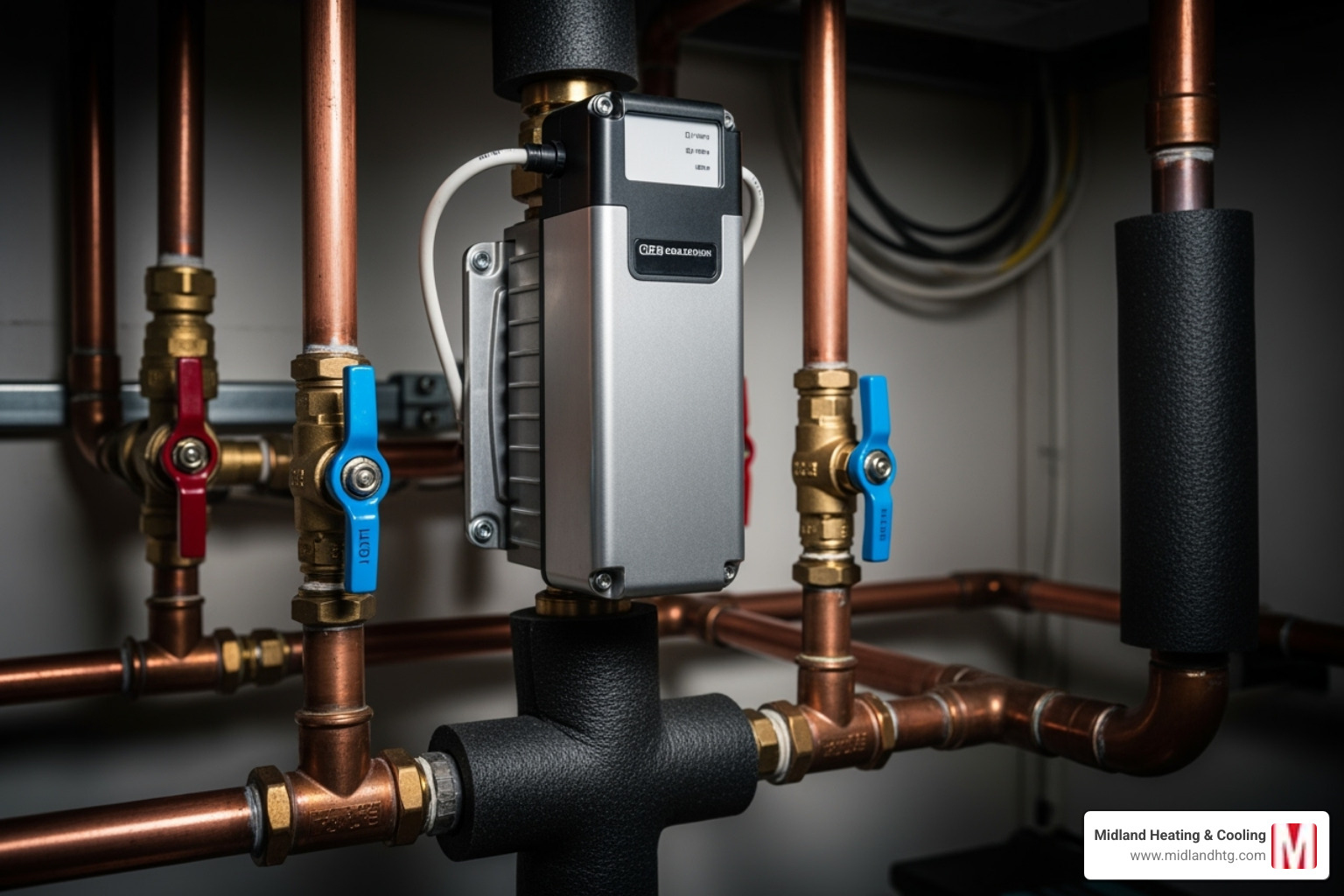
A quality boiler pump should last 10 to 20 years, especially with proper maintenance as outlined in our Guide to Extending Boiler Lifespan.
Factors Influencing the Cost of Boiler Pump Replacement
Several factors affect the total cost:
- Pump Cost: Standard models are more affordable upfront, while energy-efficient ECM pumps cost more but provide long-term savings.
- Labor Costs: The cost depends on the job’s complexity. A simple swap is quicker and less expensive than a job requiring a full system drain.
- System Complexity: Outdated piping or multiple heating zones can increase the time and cost.
- Emergency Service: After-hours calls will include emergency service fees. Addressing warning signs early can prevent this.
If your entire boiler system is aging, it may be time to consider full Boiler Replacement Services.
How to Select the Correct Replacement Pump
Choosing the right pump is critical for system performance. Key specifications must match your system’s needs:
- Flow Rate (GPM): This determines how much water the pump can move. It must be matched to your system’s design to avoid cold spots or energy waste.
- Head Pressure: This measures the pump’s ability to push water vertically through your pipes. It must be sufficient to heat all floors of your home.
- Physical Connections: The flange size and connection type must match your existing piping.
Proper pump placement is also crucial. Following Pumping Away Best Practices helps ensure stable pressure and eliminate air bubbles.
Benefits of an Energy-Efficient Pump
Upgrading to an energy-efficient pump offers significant advantages:
- Lower Electricity Bills: ECM technology allows the pump to adjust its speed to heating demand, reducing energy use.
- Whisper-Quiet Operation: Modern pumps are significantly quieter than older models.
- Smart Controls: Many models can integrate with smart thermostats for precise temperature control.
- Extended Component Life: Smoother operation reduces stress on the entire heating system.
- Rebates and Incentives: Local utilities may offer rebates that help offset the initial cost.
Frequently Asked Questions about Boiler Pump Replacement
Here are answers to the most common questions homeowners have about boiler pump replacement.
How long does it take to replace a boiler pump?
For a professional, a typical boiler pump replacement takes 2 to 3 hours. This includes draining the necessary parts of the system, installing the new pump, and testing. The job can take longer if the system lacks isolation valves, bolts are seized, or access is difficult.
What happens if a boiler pump fails completely?
A complete pump failure means hot water stops circulating from your boiler to your radiators. This results in no heat in your home. The boiler itself may overheat and trigger a safety shutdown to prevent damage, leaving you without heat until the pump is replaced.
Can I just replace the motor instead of the whole pump?
Yes, on many modern “wet rotor” pumps, it’s possible to replace only the motor cartridge while leaving the pump housing connected to the pipes. This can be a simpler and more affordable option if the housing is in good condition. However, for older pumps or those with corrosion, a full replacement is recommended for long-term reliability.
Stay Warm with Expert Boiler Services
A failing boiler pump during a Minnesota winter is more than an inconvenience; it’s a risk to your family’s safety and comfort. Ignoring warning signs like strange noises or lukewarm radiators can lead to a complete heating system breakdown and costly emergency repairs.
The importance of professional maintenance can’t be overstated. Regular check-ups allow certified technicians to catch pump issues before they become emergencies, saving you money and stress. When a boiler pump replacement is needed, a professional diagnosis ensures the correct pump is selected and installed safely.
At Midland Heating & Cooling, we’ve been the trusted choice for Twin Cities homeowners since 1950. Our certified technicians have the experience to handle any boiler repair or replacement, from vintage cast iron systems to modern high-efficiency units. We explain the work clearly so you can make an informed decision.
For Top Boiler Maintenance Tips and expert Boiler Maintenance services across the Twin Cities, including St. Louis Park, Minneapolis, and Edina, our team is ready to help. Don’t wait for a pump failure to leave you in the cold. Call us to ensure your heating system is ready for winter.